The Surprising Truth: When Sibling Rivalry Is Actually Good for Your Kids
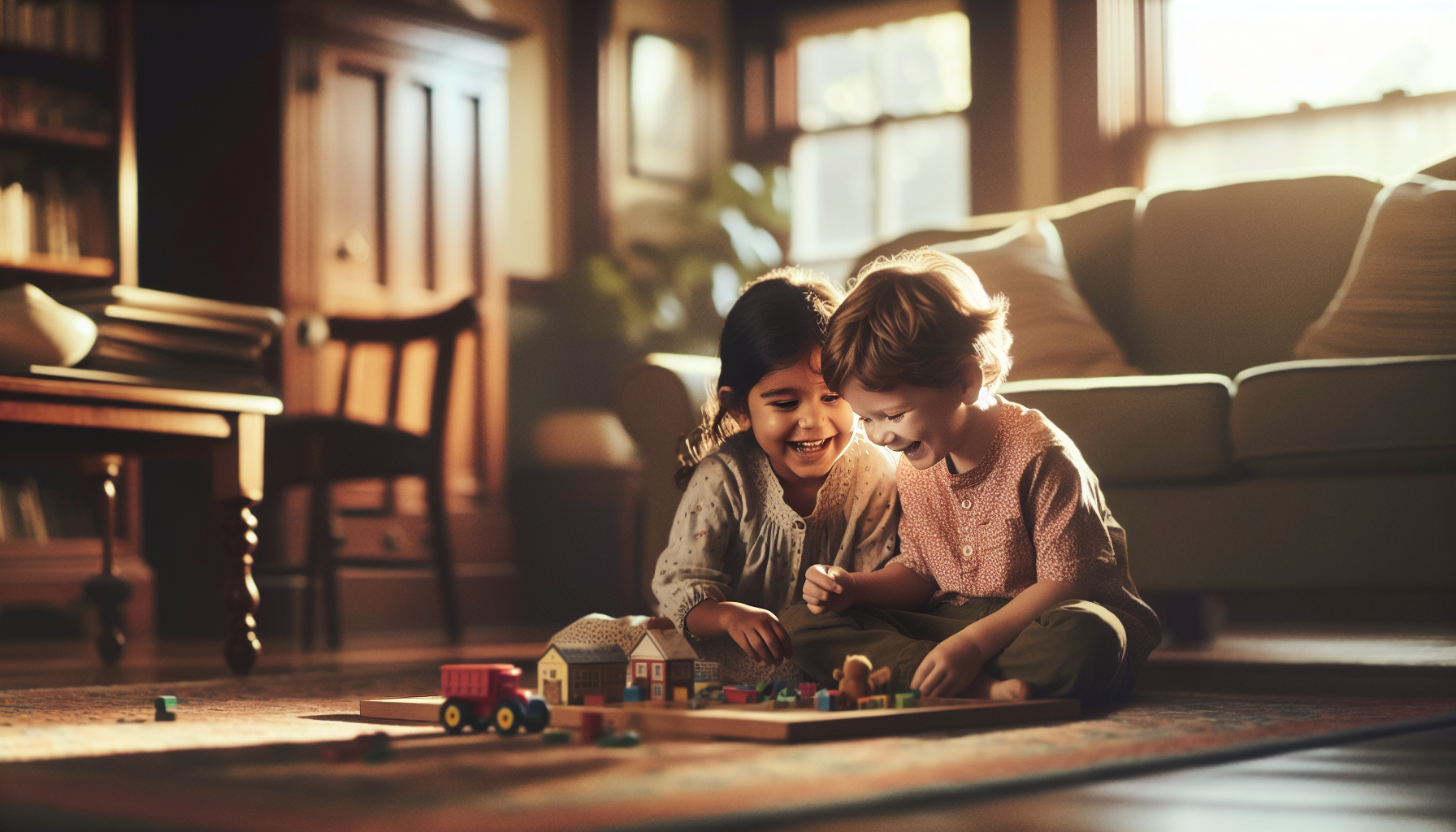
"Mom, she's looking at me weird!" "He touched my stuff!" "That's not fair!"
If you're hearing these refrains daily (or hourly), take a deep breath. I know it feels like you're refereeing a never-ending boxing match, but here's something that might surprise you: all that sibling squabbling isn't just normal—it's actually beneficial for your children's development.
Before you think I've lost my mind, hear me out. Research consistently shows that sibling rivalry, when handled thoughtfully, teaches children invaluable skills they'll use throughout their lives. The key word here is "thoughtfully"—because not all conflict is created equal.
THE HIDDEN BENEFITS OF SIBLING SQUABBLES
When your kids argue over who gets the bigger piece of cake or whose turn it is to choose the movie, they're actually engaged in sophisticated social learning. They're practicing negotiation, learning to advocate for themselves, and discovering how to read social cues.
Dr. Laurie Kramer, a developmental psychologist at Northeastern University, has found that children who engage in sibling conflict—and learn to resolve it—develop stronger conflict resolution skills with peers. They learn that relationships can survive disagreements, and that working through problems together often makes bonds stronger.
Think about it: where else do children get to practice standing up for themselves with someone who will still love them at bedtime? Siblings provide a safe testing ground for assertiveness, empathy, and compromise.
Consider the classic scenario of two kids fighting over a toy. In that heated moment, they're learning about fairness, taking turns, and how their actions affect others. The child who grabs learns about consequences. The child who gets grabbed from learns to speak up for themselves. Both are developing emotional regulation skills as they navigate big feelings in real time.
If you're using Famsies' Bedtime Ritual feature, you might notice that kids often process the day's conflicts during those quiet moments. "I was really mad at my sister today, but then we played together later." This reflection helps them understand that conflict and connection can coexist.
WHEN RIVALRY CROSSES THE LINE
Now, let's be clear: not all sibling conflict is beneficial. There's a significant difference between healthy rivalry and harmful behavior. Healthy sibling rivalry involves age-appropriate disagreements where both children have agency and voice. It includes natural competition, minor squabbles over resources, and temporary alliances that shift like weather patterns.
Unhealthy patterns, on the other hand, involve consistent power imbalances, physical aggression that goes beyond typical rough play, or emotional cruelty designed to hurt. If one child is always the victim or if conflicts escalate to genuine harm, it's time to intervene more directly.
Watch for these red flags: one child consistently avoiding the other, regression in behavior, or conflicts that feel genuinely mean-spirited rather than momentary frustration. When Sage users in The Village share concerns about sibling dynamics, these are often the patterns that signal a need for more structured support.
The magic happens in what researchers call "constructive conflict"—disagreements where children learn to express their needs, listen to others, and find solutions together. Even when they don't reach perfect resolutions, they're building the neural pathways for healthy relationships.
HOW TO NURTURE THE GOOD STUFF
So how do you encourage the beneficial aspects of sibling rivalry while preventing it from becoming destructive? The answer lies in strategic stepping back—and knowing when to step in.
First, resist the urge to immediately solve every dispute. When you hear voices rising in the next room, pause for a moment. Are they in physical danger? No? Then give them a chance to work it out. You might be amazed at their creativity in finding solutions.
When you do intervene, focus on teaching rather than judging. Instead of "Stop fighting!" try "I hear two people with different ideas. How might we solve this?" This approach validates their feelings while guiding them toward resolution skills.
Model the behavior you want to see. When you and your co-parent disagree (and they're watching—they're always watching), show them how adults work through differences respectfully. The Co-parent Space in Famsies can help you and your partner align on these approaches, ensuring consistency across households.
Create opportunities for positive sibling interactions too. Shared projects, family games, or even just praising moments when they support each other helps balance out the rivalry with genuine connection.
When conflicts do need repair—maybe someone said something particularly hurtful—the Repair Kit approach works beautifully between siblings. Teaching kids to acknowledge impact, express genuine remorse, and make amends builds emotional intelligence that will serve them forever.
Remember, your role isn't to eliminate sibling rivalry—it's to help your children learn from it. Those "She's looking at me weird!" moments? They're actually tiny laboratories for human connection. And while they might be driving you a little crazy right now, they're building humans who know how to navigate relationships, advocate for themselves, and repair what's broken.
Some days, that knowledge might be the only thing getting you through the chaos. But trust the process—and trust your kids to learn from it.