When Grief Creates Distance: Reconnecting with Your Surviving Children After Loss
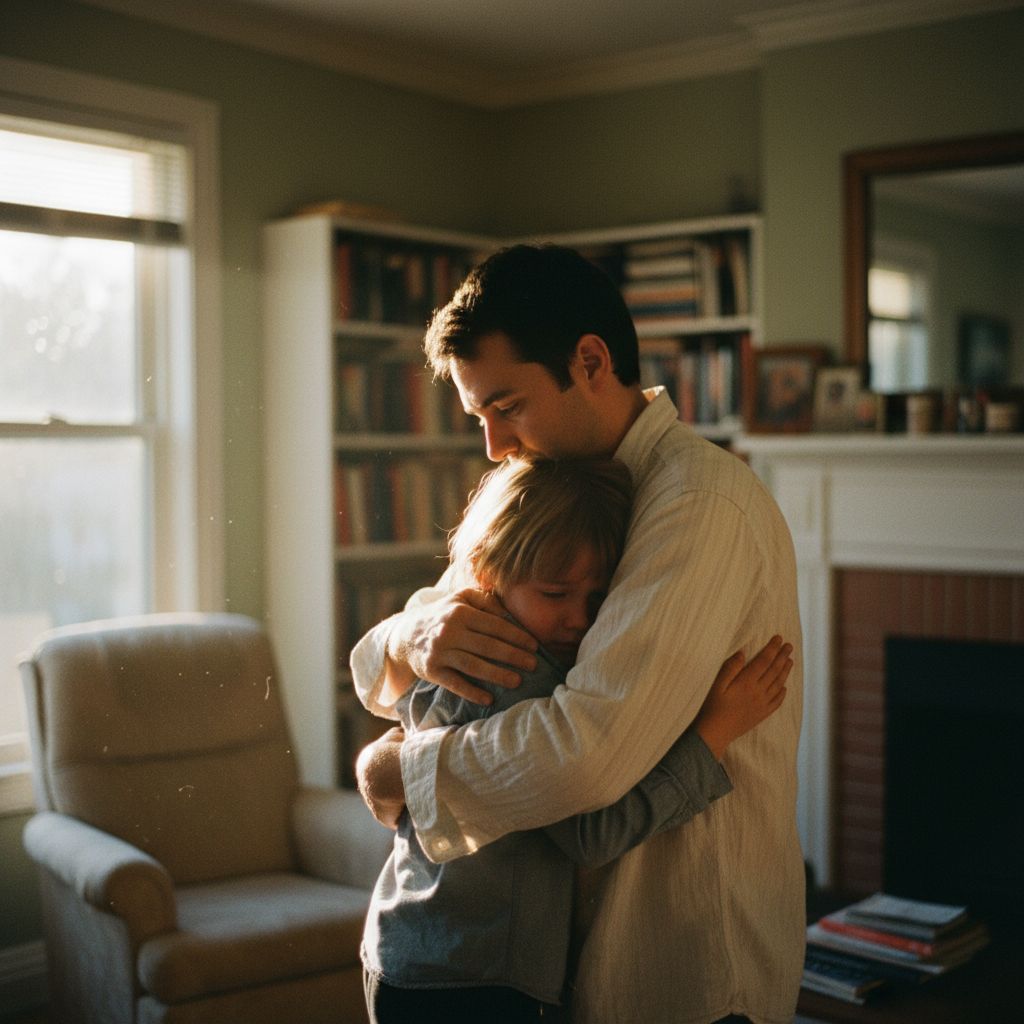
The silence feels different now. Where once your home buzzed with the familiar chaos of childhood, there's a heaviness that settles into every corner. When a family loses a child, the ripple effects touch every relationship—including the precious bond between parents and their surviving children.
If you're reading this, you may be wrestling with a painful paradox: while desperately wanting to protect and cherish your remaining children, you might find yourself emotionally distant, struggling to connect, or even feeling guilty for moments of joy with them. This disconnect isn't a failure of love—it's a common response to profound grief that deserves both understanding and gentle action.
GRIEF CHANGES HOW WE PARENT, AND THAT'S HUMAN
When we lose a child, our entire worldview shifts. The assumption that we can keep our children safe shatters, and many parents find themselves caught between two equally painful impulses: becoming overprotective to the point of suffocation, or emotionally withdrawing to protect themselves from the possibility of future loss.
Dr. Kenneth Doka, a leading expert in grief counseling, explains that "disenfranchised grief"—grief that society doesn't fully recognize or support—often affects the whole family system. Surviving children may feel forgotten in their parents' overwhelming sorrow, while parents may struggle with guilt over any attention that doesn't honor their lost child.
Your surviving children are also grieving, but their process looks different from yours. They're watching their parents navigate unimaginable pain while trying to make sense of their own loss. Some children act out, seeking connection through behavior that demands attention. Others become unusually compliant, trying to be "perfect" to avoid adding to their parents' pain.
This is where Sage, our AI parenting coach, can offer a judgment-free space to process these complex emotions. Sometimes we need to voice our struggles—like feeling guilty for laughing with our surviving child, or admitting we're afraid to love them fully—before we can move toward healing.
TAKING SMALL STEPS TOWARD RECONNECTION
Reconnecting doesn't mean "getting over" your grief or pretending everything is normal. It means creating space for both your loss and your living children to coexist in your heart and daily life.
Start with tiny, manageable moments. Maybe it's sitting together for five minutes before bed, asking one simple question about their day, or sharing a memory that makes you both smile. These aren't grand gestures—they're gentle invitations back into relationship.
Consider establishing new rituals that honor both your grief and your connection with your surviving children. This might look like a weekly walk where you can talk about anything—including their sibling who died—or a simple bedtime routine that creates consistent, peaceful connection. The Bedtime Ritual feature in Famsies can help you build these small but powerful moments of closeness, even when emotional energy feels scarce.
Be honest with your children in age-appropriate ways. They already sense the change in you; acknowledging it can actually bring relief. You might say something like, "I know I've been sad and distant since your brother died. I'm working on taking better care of myself so I can be more present with you."
WHEN YOU NEED MORE SUPPORT THAN YOU CAN GIVE YOURSELF
Some days, despite your best intentions, the distance feels insurmountable. Your child reaches for connection and you feel nothing, or worse, resentment that they're asking for emotional energy you don't have. These moments don't make you a bad parent—they make you human.
This is when leaning on your village becomes essential. Whether it's trusted family members, friends, or other parents who've walked this path, you don't have to rebuild these connections alone. The Village feature in Famsies can help you identify and organize your support network, making it easier to ask for specific help when you need it.
If you're co-parenting, grief can create additional strain as you and your partner process loss differently. One parent might throw themselves into caring for surviving children while the other withdraws. Using tools like the Co-parent Space can help you communicate about these differences without judgment and coordinate support for each other.
Professional grief counseling, particularly family grief therapy, can provide crucial support. A skilled therapist can help your family develop new ways of connecting that honor your loss while nurturing your ongoing relationships.
"Grief is the price we pay for love. But that same capacity for love—even when it feels buried under pain—is what will eventually guide you back to your surviving children."
Your children need you, but they also need you to be gentle with yourself as you heal. Some days, reconnection might look like simply being in the same room. Other days, you might find moments of genuine joy together. Both are okay. Both are part of the slow, non-linear journey back to each other.
When mistakes happen—and they will—remember that repair is always possible. The Repair Kit in Famsies offers concrete steps for healing ruptures in your relationship, even when those ruptures come from grief rather than anger.
Your lost child will always be part of your family's story. As you slowly reconnect with your surviving children, you're not betraying that memory—you're honoring it by choosing to fully love the children who remain. They need your love, and despite how it might feel right now, you need theirs too.