Why Your Toddler's Meltdown Makes You See Red: Understanding Parenting Triggers
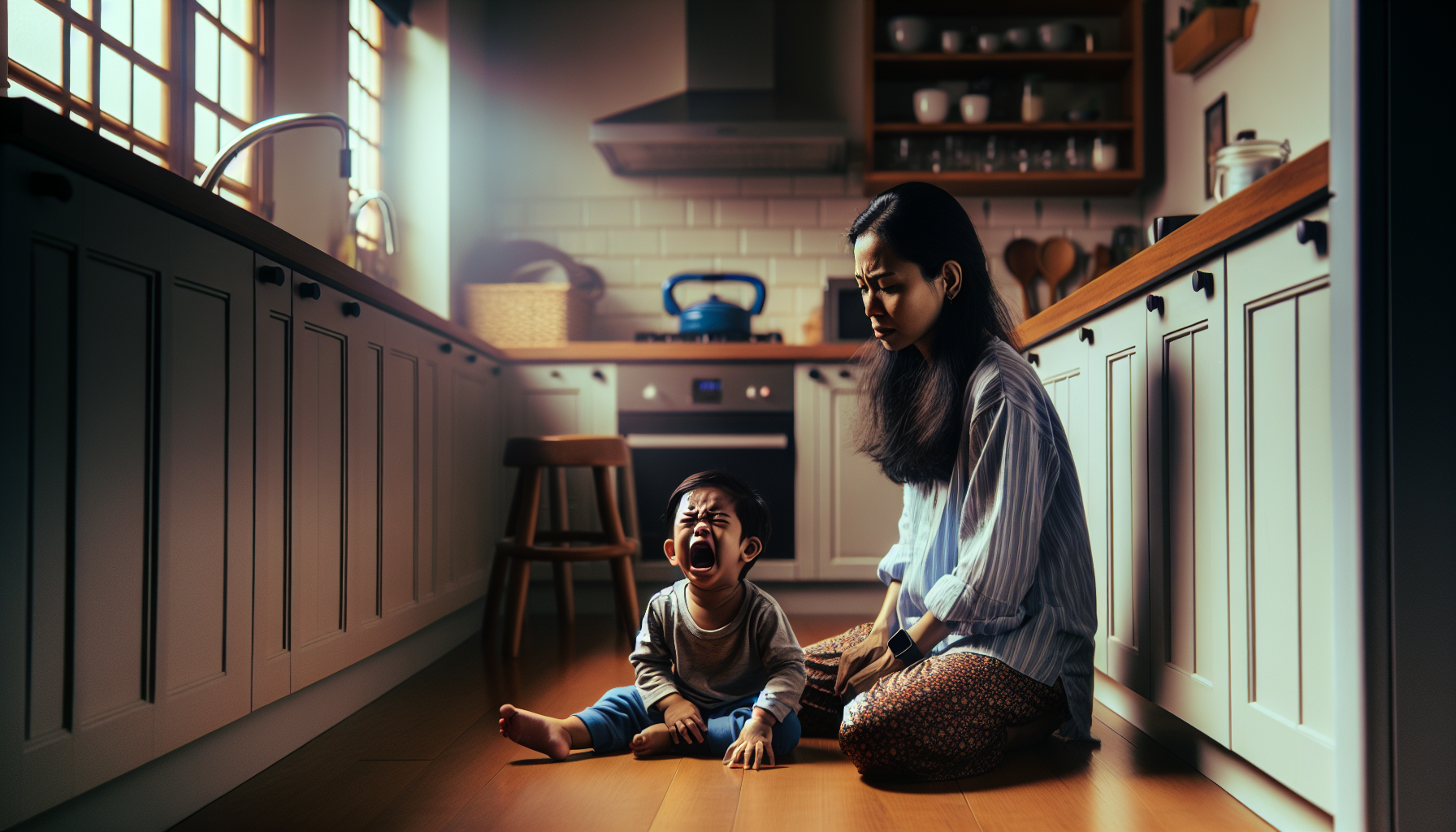
It happens in an instant. Your toddler refuses to put on shoes for the third time this morning, and suddenly you're not just frustrated—you're furious. Your heart races, your jaw clenches, and words come out harsher than you intended. Later, guilt washes over you as you wonder why something so small set you off so big.
You're not broken, and you're not a bad parent. You're human, carrying invisible baggage from your own childhood that occasionally spills open when your children push just the right buttons. Understanding where these triggers come from isn't about blame—it's about breaking cycles and parenting with more intention.
THE GHOSTS IN OUR PARENTING PLAYBOOK
Parenting triggers rarely originate in the present moment. They're echoes from our past, often stemming from our own childhood experiences of being parented. When your 8-year-old talks back and you feel that familiar rage bubble up, you might be experiencing what researchers call "ghosts in the nursery"—unresolved emotions from when you were powerless as a child.
Maybe you were raised by a parent who valued obedience above all else. Now, when your child challenges your authority, it doesn't just feel like normal developmental behavior—it feels like a threat to order and respect. Or perhaps you grew up walking on eggshells around an unpredictable parent, and now your child's big emotions make you panic because they remind you of feeling unsafe.
These patterns run deep. A parent who was criticized constantly might explode when their child makes mistakes, not because the spilled milk matters, but because perfectionism became their childhood survival strategy. Another parent might freeze up during their child's meltdown because they learned early that emotions were dangerous territory.
The tricky thing about triggers is they're not logical. Your rational mind knows your 5-year-old isn't trying to disrespect you when they dawdle getting dressed, but your nervous system might react as if they are. This is why simple parenting strategies sometimes fall flat—you can't think your way out of a nervous system response.
WHEN YOUR CHILD MIRRORS YOUR SHADOW
Sometimes our strongest reactions come when our children display traits we've rejected in ourselves. The parent who was shamed for being "too sensitive" might struggle when their child cries easily. The one who learned to suppress their needs might feel triggered by a child who asks for help constantly.
This shows up in subtle ways too. You might find yourself snapping at your dreamy, slow-moving child because their pace triggers anxiety about being late—anxiety that might stem from growing up with a chronically stressed parent. Or you might overreact to your child's social struggles because they mirror your own painful memories of feeling left out.
One particularly common trigger is the fear of raising a "spoiled" child. Parents often swing between giving their children everything they didn't have and worrying they're creating entitled monsters. This internal conflict can lead to confusing mixed messages and explosive reactions when children behave in ways that feel "ungrateful."
HERE'S WHERE HEALING HAPPENS
Recognizing your triggers is the first step, but it's not always easy to do in isolation. Sometimes we need outside perspective to see our blind spots clearly. This is where community support becomes invaluable—whether it's connecting with other parents in The Village or having honest conversations with your co-parent about your respective triggers and how to support each other through them.
When you do get triggered (and you will—we all do), remember that repair is always possible. Your child doesn't need a perfect parent; they need a human one who takes responsibility for their mistakes and models how to make things right. This is actually how children learn emotional regulation—by watching us work through our own big feelings.
The goal isn't to never get triggered again. It's to shrink the gap between the trigger and your awareness of it. Maybe instead of exploding and then feeling guilty later, you catch yourself mid-reaction and take a breath. Or perhaps you recognize the warning signs—tight chest, clenched jaw—and step away before you escalate.
Sage often reminds parents that triggers are information, not instructions. They tell us where our old wounds are tender, but they don't have to dictate our actions. When we understand that our child's behavior is rarely about us personally, we can respond to what's actually happening instead of reacting to ghosts from our past.
"The curious paradox is that when I accept myself just as I am, then I can change." - Carl Rogers
Your triggers don't make you a bad parent—they make you human. And when you bring awareness and compassion to these automatic reactions, you're not just healing yourself. You're breaking generational patterns and giving your children something precious: a parent who owns their mistakes, repairs when needed, and models that it's safe to be imperfect while still growing.